

News
Jan 7, 2026
Success Stories
Startups
Enterprise
Europe
NewDecoded
4 min read
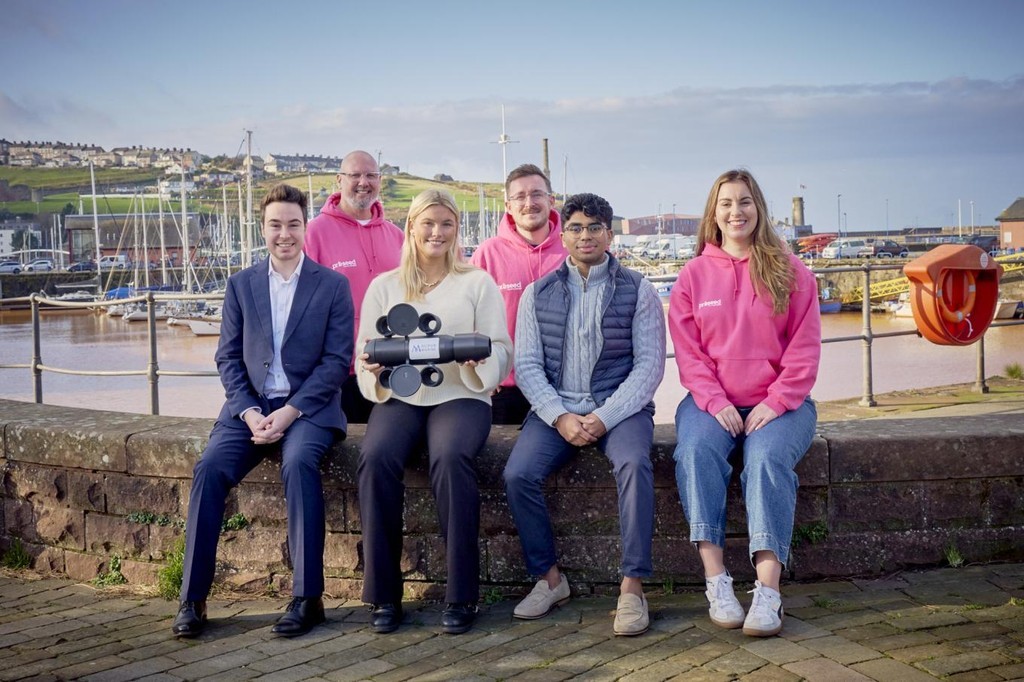
UK-based subsea robotics firm ScrubMarine has raised £200,000 in pre-seed funding to fast-track its autonomous marine cleaning systems. Praetura Ventures led the round with support from the Northern Powerhouse Investment Fund, a regional initiative from the British Business Bank. This capital injection allows the company to transition its prototypes into field-proven platforms for cleaning and inspecting underwater assets.
The startup focuses on solving the massive issue of biofouling, which occurs when marine life like algae and barnacles attaches to ship hulls. This buildup increases drag and can spike fuel consumption by as much as 40 percent, leading to billions in lost efficiency globally. By using automated solutions, ScrubMarine aims to reduce carbon emissions and maintenance costs for the maritime sector.
At the core of their technology is a robotic system named The Turtle, which uses cavitation cleaning to blast away growth without damaging protective ship coatings. This method utilizes microscopic bubbles that implode against surfaces, offering a safer alternative to abrasive brushes or human divers. This approach ensures that vessels can be maintained while still in the water, avoiding expensive drydocking periods.
Founded by robotics engineer Rohith Devanathan and co-founder Clyne Albertelli, ScrubMarine originated from research conducted at Heriot-Watt University. Since its founding, the team has worked to develop Remotely Operated Vehicles capable of enduring harsh underwater environments. They have established operations in both Whitehaven, Cumbria, and Edinburgh to tap into local engineering expertise.
The company is now entering a critical phase of live deployment for its next-generation submersible robots on hulls and wind turbines. Beyond The Turtle, the team is also developing The Whale, an autonomous surface vessel designed to deploy and retrieve cleaning units. These advancements are supported by ongoing engineering efforts to integrate real-time inspection sensors for asset health monitoring.
The investment landscape for ScrubMarine has expanded significantly since this initial pre-seed success, with follow-on funding reported in late 2025. Institutional backing from regional funds has been complemented by private investors like former UK Chamber of Shipping President Graham Westgarth. This broad support highlights the growing commercial confidence in the startup's ability to automate traditional subsea maintenance.
Navigating the Future of Maritime Sustainability
The emergence of autonomous hull maintenance signifies a major pivot toward data-driven sustainability within the global shipping industry. As environmental regulations like the Carbon Intensity Indicator become stricter, ship owners are forced to find efficient ways to maintain clean hulls and reduce fuel waste. ScrubMarine's entry into the market demonstrates that the future of subsea infrastructure relies on removing human risk and utilizing high-tech robotics to meet modern climate goals.