
News
Apr 22, 2026
News
Enterprise
Artificial Intelligence
Americas

NewDecoded
4 min read
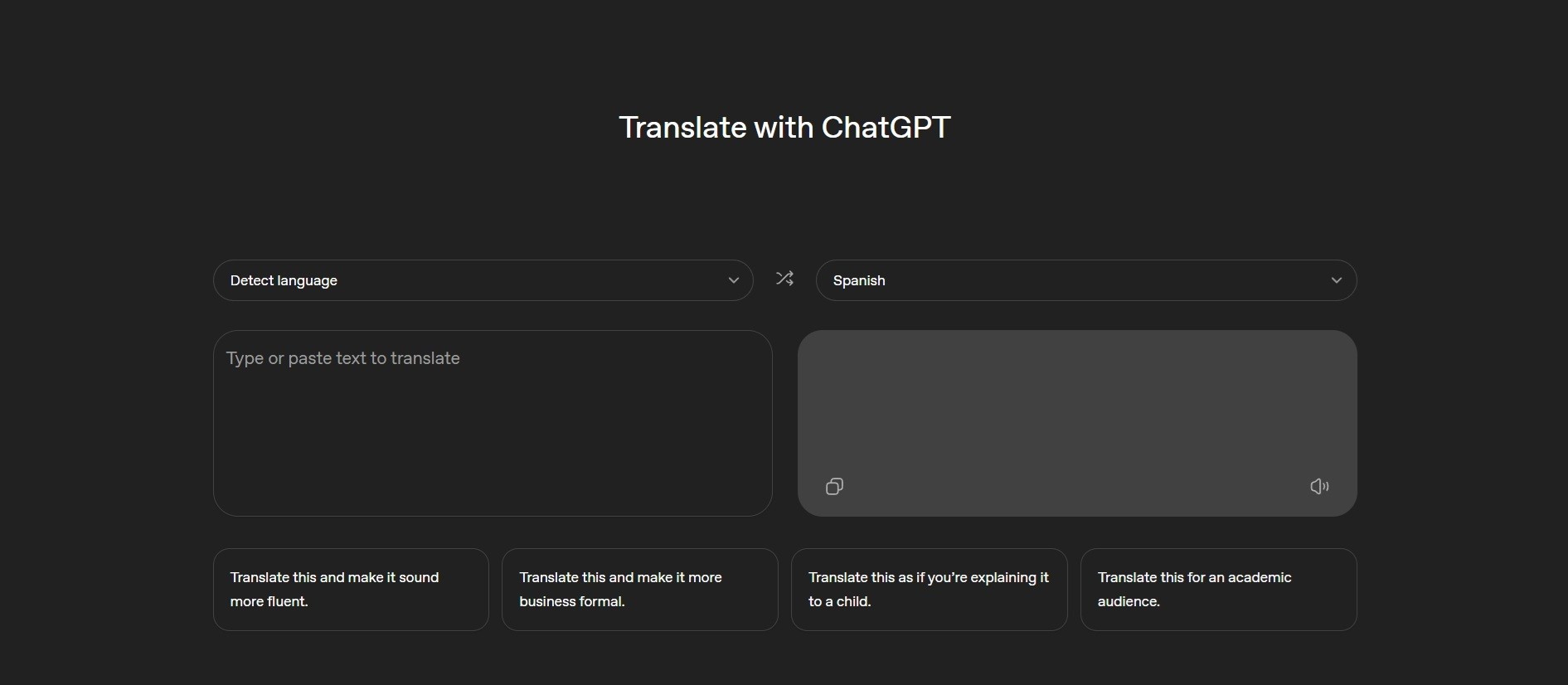
Image by ChatGPT
OpenAI has officially introduced a suite of dedicated translation capabilities for ChatGPT, marking a significant step in the platform's evolution as a global communication tool. The system now supports more than 50 languages and leverages multimodal inputs including text, voice, and images. Unlike traditional translation services, these updates focus on capturing intent and cultural context rather than just providing literal word-for-word exchanges.
The new features allow users to adjust the tone and register of their translations to suit specific needs. Users can request that text be made more business formal for professional emails or simplified for a child’s understanding. This level of stylistic control ensures that the translated output sounds natural and appropriate for its intended audience, whether in a boardroom or a casual social setting.
Multimodal integration via the GPT-4o model enables users to translate signs, menus, and documents simply by uploading photos. ChatGPT does not just overlay text; it can explain the meaning of specific terms or identify popular dishes on a foreign menu. This capability is paired with real-time voice translation that aims to preserve the emotion and intonation of the speaker during conversations.
The platform is designed to serve as an interactive tutor for students and language learners. Instead of receiving a static result, users can ask follow-up questions to understand why a specific idiom was used or get detailed grammar explanations in plain language. This iterative process turns translation into a learning opportunity, helping users build confidence in their new language skills.
For professionals and creators, the tool assists with software localization and brand messaging across borders. The interface can adapt user interface labels to fit within specific character limits while respecting local UX conventions. By maintaining the creator’s original voice through cultural adaptation, ChatGPT helps businesses scale their reach without the risks of robotic or culturally insensitive translations.
Users can access these new features immediately through the standard ChatGPT interface. The update includes a variety of real-world examples, such as translating complex literary passages from Don Quixote or adapting email drafts into polite Japanese business language. This release highlights OpenAI’s commitment to breaking down language barriers through more intuitive and contextually aware artificial intelligence.
The shift toward Large Language Model translation signifies a departure from the static, sentence-level processing that has defined digital translation for decades. While established players like Google Translate and DeepL rely on rigid neural architectures, ChatGPT introduces a consultative model that prioritizes cultural brokerages and stylistic flexibility.
For the localization industry, this means moving beyond simple word replacement to a system that understands the social hierarchies of language, such as Japanese business etiquette or regional Spanish slang. This transition suggests that future translation tools will act more as real-time cultural advisors, reducing the friction of international communication while potentially displacing traditional translation services that lack context-aware capabilities.
Related Articles